
How CLT Is Changing Modular Living in the UK
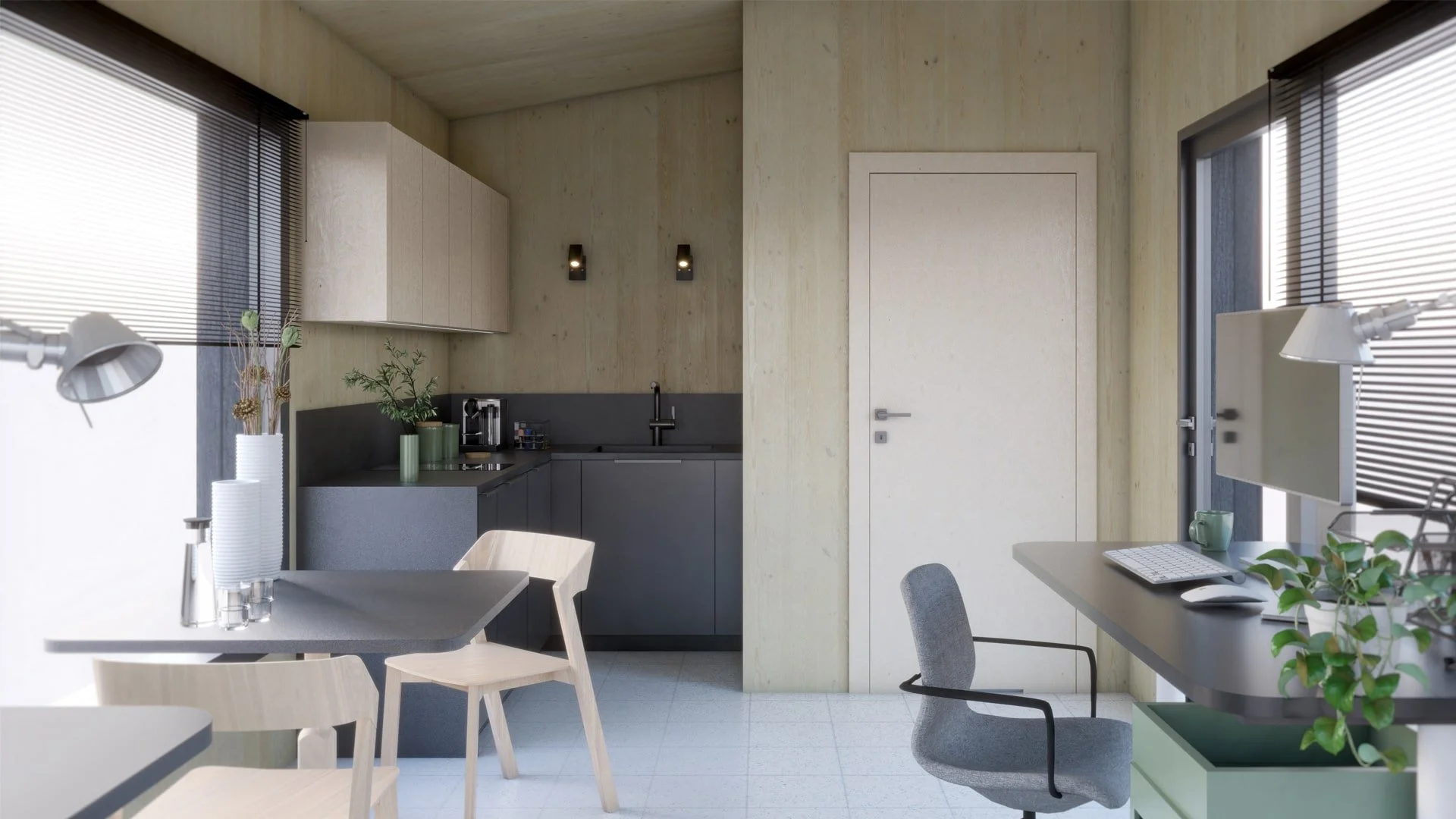
Modular living is no longer a niche segment of the construction industry. In the UK, it has become a practical response to housing pressure, multigenerational living needs, and evolving holiday accommodation standards. At the centre of this transformation is Cross-Laminated Timber, commonly known as CLT.
CLT is redefining what modular buildings can achieve, particularly in the context of granny annexes and holiday lodges. By combining structural strength, thermal efficiency and precision off-site manufacturing, CLT is shifting modular construction from temporary or lightweight perception toward residential-grade, long-term performance.
From Temporary Units to Residential-Grade Modular Living
Traditional modular buildings were often associated with temporary classrooms, basic site cabins or seasonal holiday units. Performance expectations were lower, insulation standards were modest, and long-term durability was not always a priority.
CLT has changed that perception.
Because CLT panels act as structural elements rather than infill components, modular buildings can now achieve the structural integrity typically associated with permanent homes. This is particularly relevant for:
Granny annexes built for independent family living
Garden rooms used as year-round accommodation
BS 3632 compliant holiday lodges
Residential park homes
In both granny annexes and holiday lodges, occupants expect the same level of comfort and performance found in a traditional dwelling. CLT makes that expectation achievable within modular frameworks.
Structural Strength Without Excess Weight
One of the defining characteristics of CLT is its cross-laminated configuration. Timber boards are layered at right angles and bonded to form large structural panels. This creates rigidity and dimensional stability while maintaining a favourable strength-to-weight ratio.
For modular living, this balance is critical.
Granny annexes built within Caravan Act dimensional limits must remain transportable in sections. Holiday lodges classified as twin units must comply with mobility criteria. CLT provides the structural performance needed for long-term residential use without excessive structural mass.
This enables:
Stronger wall and floor systems
Reduced risk of structural movement
Stable roof spans
Efficient transport and on-site assembly
The result is modular living that feels permanent while remaining compliant with classification frameworks.
Thermal Efficiency and Year-Round Comfort
Energy efficiency is now central to both granny annex and holiday lodge design. A garden annexe must remain comfortable throughout winter months. A holiday lodge intended for extended season occupancy must meet residential-grade insulation requirements.
CLT contributes significantly to improved thermal performance when combined with appropriate insulation systems.
Its solid panel construction reduces thermal bridging compared to standard stud frames. When integrated with airtightness membranes and insulated roof and floor assemblies, CLT modular buildings can meet BS 3632 standards for residential park homes.
For granny annexes, this means:
Lower heating costs
Stable internal temperatures
Improved occupant comfort
For holiday lodges, it means:
Extended operational seasons
Reduced energy consumption
Increased guest satisfaction
CLT is therefore not only a structural solution but also a performance-driven envelope system supporting sustainable modular living.
Precision Manufacturing and Build Quality
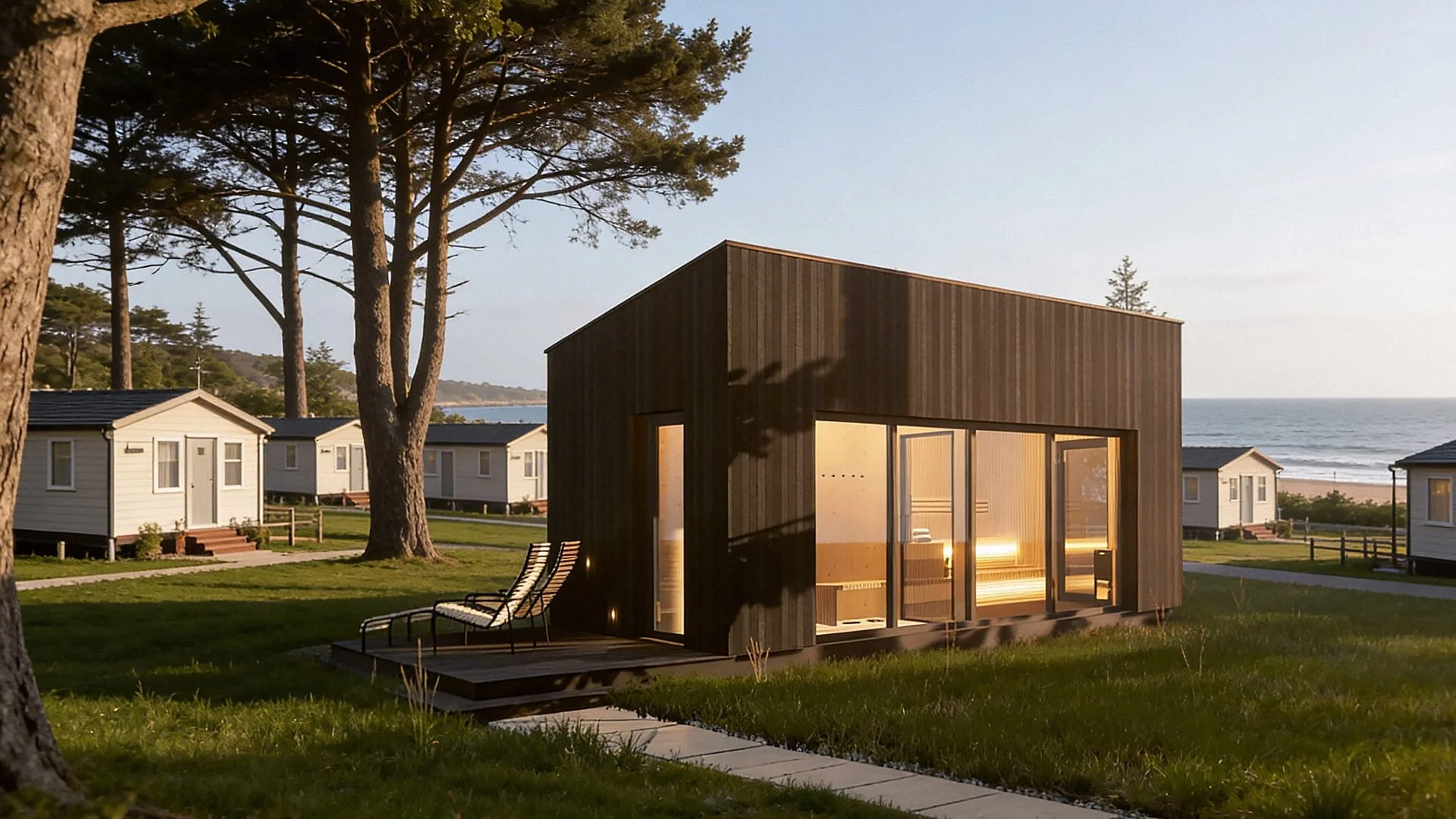
Another major shift driven by CLT is the move toward precision off-site manufacturing. CLT panels are CNC-machined using digital design files, allowing millimetre-level accuracy before components reach site.
In granny annex construction, this reduces installation time within residential gardens and minimises disruption to the main dwelling. For holiday park operators, it enables consistent lodge production across multiple plots with uniform build quality.
Off-site fabrication provides:
Controlled manufacturing conditions
Reduced weather-related delays
Improved quality assurance
Faster on-site assembly
This efficiency directly impacts commercial viability in holiday parks and homeowner convenience in residential settings.
Compliance with BS 3632 and Caravan Act Requirements
Modular living in the UK operates within defined regulatory frameworks.
Granny annexes often rely on Caravan Act compliance to avoid full planning permission. Holiday lodges must meet BS 3632 standards to qualify as residential park homes and potentially benefit from zero-rated VAT.
CLT modular systems can be engineered within these frameworks. Panels are designed to meet dimensional restrictions while delivering structural performance aligned with residential standards.
This is where CLT changes modular living most clearly. Instead of compromising between compliance and quality, developers can achieve both simultaneously.
Sustainability and Responsible Construction
Environmental responsibility is no longer optional. Both homeowners and holiday park guests are increasingly aware of embodied carbon and energy performance.
CLT is manufactured from responsibly sourced timber and acts as a carbon-storing material. Compared to many traditional masonry systems, timber-based modular construction often results in lower embodied carbon.
In granny annex developments, this supports environmentally conscious property improvements. In holiday parks, it enhances sustainability credentials and aligns with eco-tourism expectations.
Off-site manufacturing further reduces waste and improves material efficiency, reinforcing CLT’s role in sustainable modular living.
Design Freedom and Modern Aesthetics
Modular living once meant box-like forms with limited design flexibility. CLT challenges that limitation.
Because CLT panels can span larger distances and provide structural rigidity, designers have greater flexibility in internal layouts. Open-plan kitchen and living areas, mezzanine sleeping zones and integrated storage solutions become easier to achieve.
In granny annexes, this enables:
Comfortable one- or two-bedroom layouts
Bright open-plan interiors
Efficient use of compact footprints
In holiday lodges, it supports:
Spacious living zones
Multi-bedroom configurations
Architectural cohesion across park developments
Externally, CLT modules can accommodate diverse façade finishes, including timber cladding, metal panels or mixed-material systems. This adaptability strengthens the architectural identity of both private gardens and commercial parks.
Long-Term Asset Value
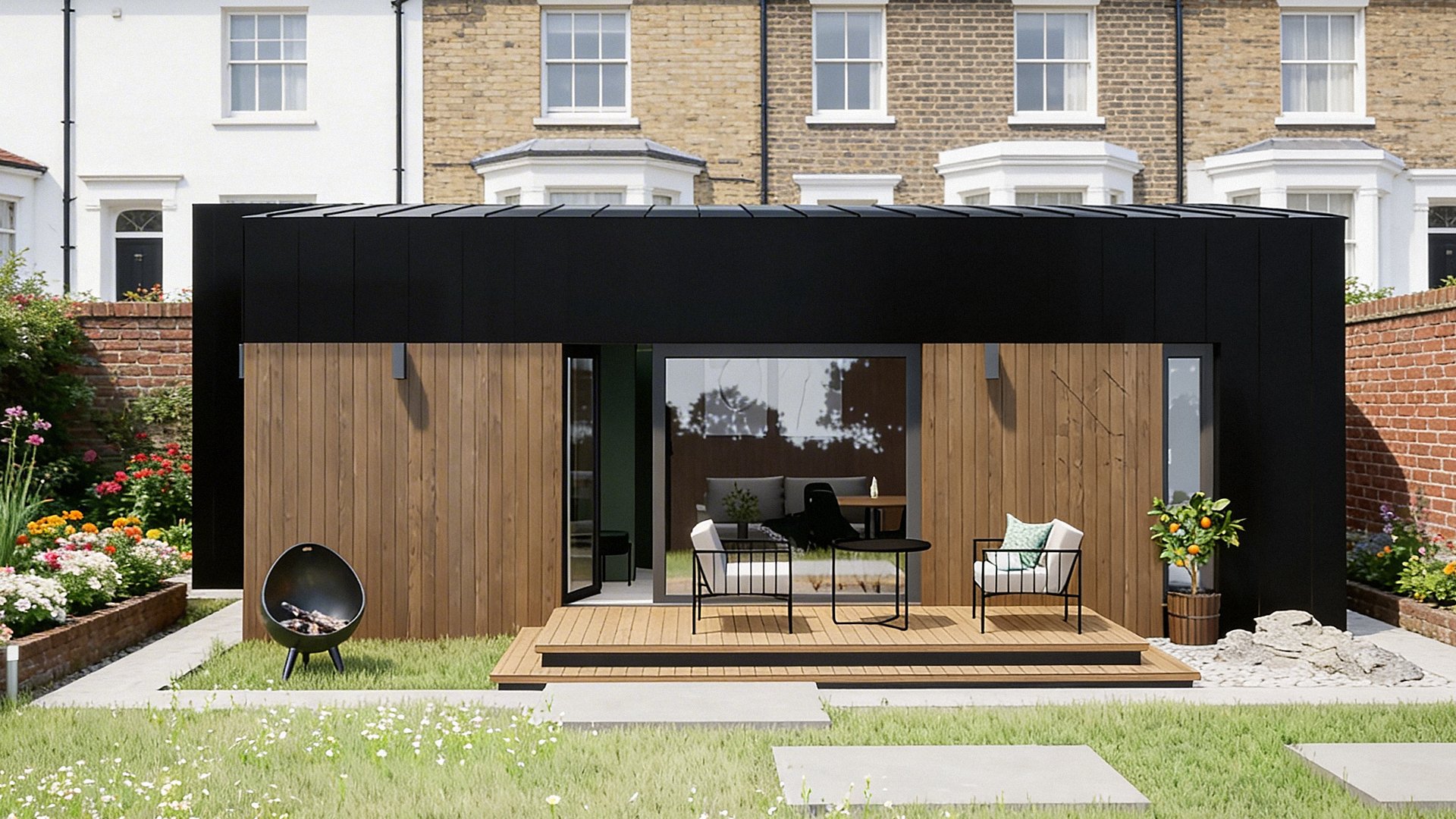
Whether installed in a garden or within a holiday park, modular buildings represent a financial investment.
Granny annexes can increase property value and support rental income potential. Holiday lodges generate revenue for park operators and influence guest retention.
CLT’s structural durability, energy efficiency and compliance capabilities contribute to long-term asset stability. Unlike lightweight garden structures, CLT-based annexes and lodges are engineered for extended service life.
This reduces lifecycle costs and supports stronger long-term return on investment.
The Future of Modular Living in the UK
Housing pressure, rising care costs and flexible working patterns are driving demand for independent living solutions. At the same time, holiday park accommodation standards continue to rise.
CLT is positioned at the centre of this evolution. It allows modular construction to move beyond temporary perception and into residential-grade performance.
In granny annexes, CLT supports multigenerational living and independent accommodation within private gardens. In holiday lodges, it enables durable, energy-efficient and commercially viable park development.
As regulations tighten and environmental expectations grow, modular systems built with engineered timber will continue to shape the future of residential and leisure construction in the UK.
How Celtio Integrates CLT Into Modular Living
Celtio designs and manufactures modular granny annexes and holiday lodges using advanced CLT construction combined with precision off-site fabrication. Each structure is engineered within relevant UK regulatory frameworks, including Caravan Act dimensional limits and BS 3632 residential standards where required.
By integrating sustainable timber systems with structured manufacturing processes, Celtio delivers modular living spaces that combine structural integrity, energy efficiency and long-term durability. From compact garden annexes to expanded multi-bedroom holiday lodges, each model is developed to provide year-round comfort and reliable performance within residential and park environments.
