
Effective Holiday Lodge Building with CLT: A Smarter Approach to Modern Park Development
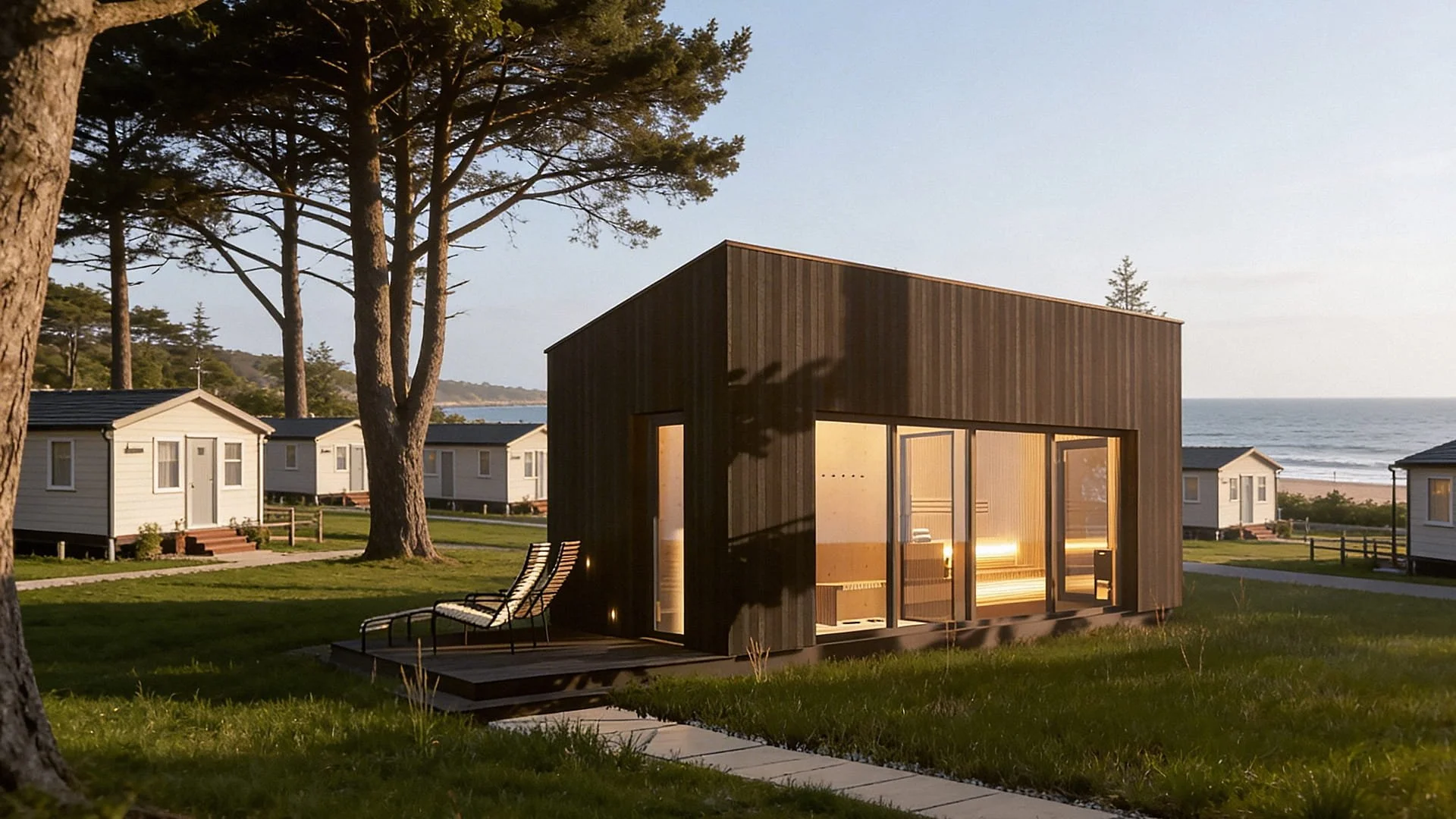
The UK holiday park sector continues to evolve. Park operators and developers are no longer competing on location alone. Today’s guests expect energy efficiency, contemporary design, year-round comfort and visible build quality. For operators, the priorities extend further, structural durability, compliance with BS 3632 standards, operational efficiency and long-term return on investment.
Effective holiday lodge building now depends on construction systems that balance performance, speed and sustainability. Cross-Laminated Timber, commonly known as CLT, has emerged as one of the most effective structural solutions for modern holiday lodges. When integrated into modular construction, CLT enables residential-grade lodge buildings that meet the demands of both guests and park owners.
What Is CLT and Why It Matters in Holiday Lodge Construction
Cross-Laminated Timber is an engineered wood product created by layering kiln-dried timber boards at right angles and bonding them under controlled pressure. This cross-lamination process forms large structural panels with exceptional strength, dimensional stability and load-bearing capacity.
Unlike conventional timber framing, CLT acts as a structural plate system. Walls, floors and roofs can be formed from solid panels rather than individual studs. This improves rigidity and reduces movement over time. In holiday lodge construction, this translates to long-term structural reliability and reduced maintenance risk.
CLT also offers a favourable strength-to-weight ratio. Panels are lighter than many traditional masonry systems yet capable of supporting substantial structural loads. For holiday park developers, this improves transport logistics and simplifies on-site installation without compromising durability.
BS 3632 and Residential-Grade Holiday Lodges
Holiday lodges built for year-round occupation in the UK must meet BS 3632 standards. This British Standard sets out requirements for thermal insulation, structural performance, ventilation and durability. It is the benchmark for residential park homes and permanent holiday lodges.
Effective lodge building with CLT supports compliance with BS 3632 by enabling:
Enhanced thermal performance through layered wall assemblies
Reduced thermal bridging
Improved airtightness
Structural stability in varying weather conditions
Long-term moisture management
When designed correctly, CLT-based holiday lodges can achieve strong U-values for roof, wall and floor assemblies, helping park operators deliver energy-efficient accommodation. This directly influences guest comfort and reduces operational energy costs across the park.
Compliance is not only a regulatory issue. BS 3632 compliance also ensures eligibility for zero-rated VAT on qualifying residential caravans. For holiday park developers, this creates a significant financial advantage when sourcing compliant lodge units.
Thermal Performance and Energy Efficiency in CLT Lodges
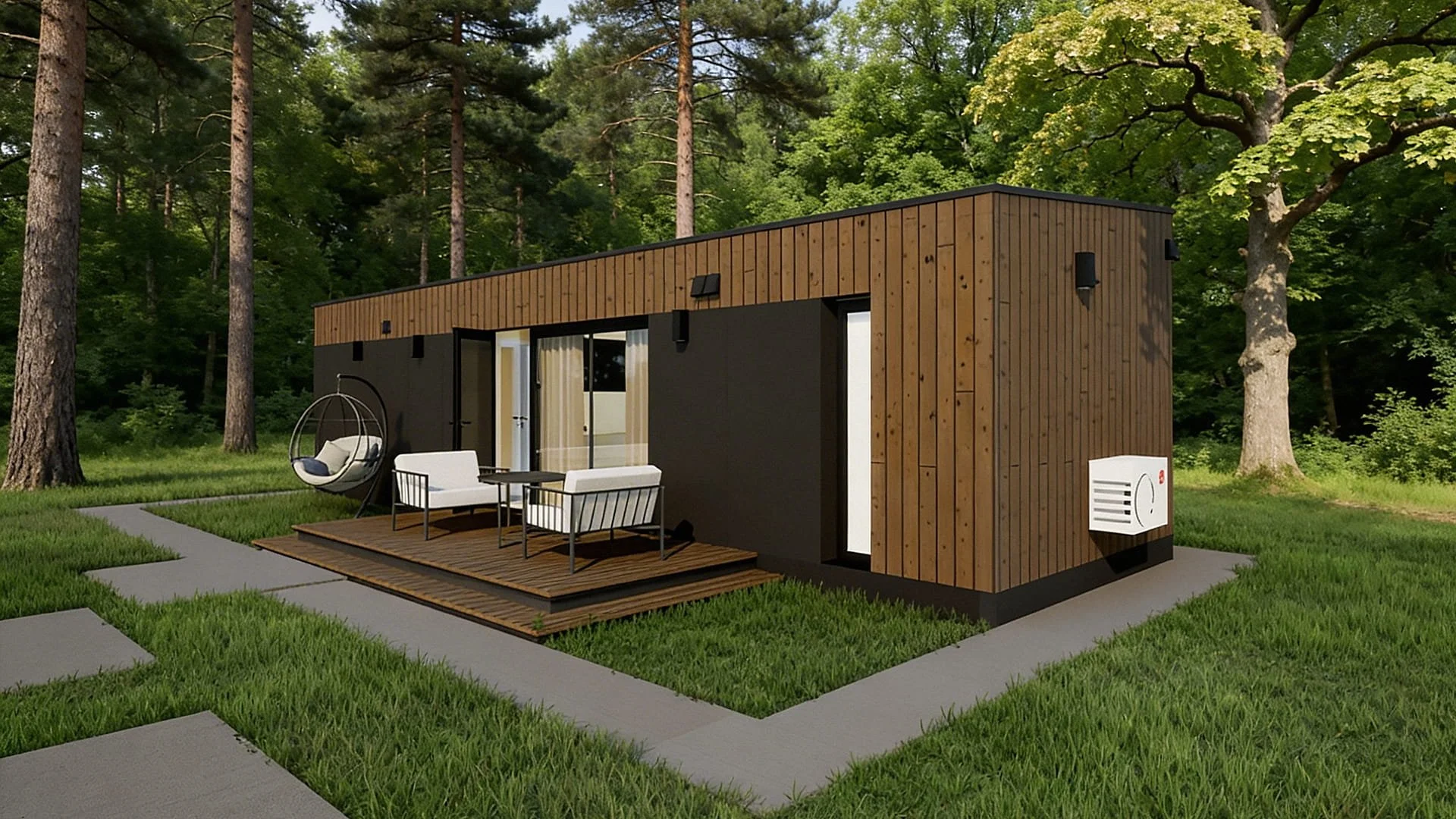
Energy efficiency is central to modern holiday lodge design. Rising energy costs and increased environmental awareness mean that poorly insulated seasonal units are no longer acceptable.
CLT provides inherent thermal mass and structural insulation capacity. When combined with high-performance insulation systems and controlled airtightness layers, it creates a building envelope that supports:
Stable internal temperatures
Reduced heat loss in winter
Controlled overheating in summer
Lower long-term running costs
For holiday parks operating beyond peak summer months, year-round thermal efficiency becomes a commercial differentiator. Guests expect comfortable stays during colder seasons. Lodges built with CLT and designed to BS 3632 standards support extended occupancy periods and higher annual revenue potential.
Speed of Construction and Modular Efficiency
One of the most important factors in effective holiday lodge building is speed. Park operators often work to seasonal deadlines. Delays in lodge delivery can directly impact revenue.
CLT panels are precision manufactured off-site using digital design files and CNC machining. This ensures dimensional accuracy and consistent quality control. When integrated into modular construction systems, holiday lodges can be manufactured in controlled factory environments before being transported to site in sections.
The advantages include:
Reduced on-site construction time
Fewer weather-related delays
Consistent build quality
Reduced labour requirements on site
Minimal disruption to park operations
In many cases, modular CLT holiday lodges can be assembled and made weather-tight within a short timeframe. This efficiency allows developers to expand park capacity quickly while maintaining high structural standards.
Structural Durability and Long-Term Performance
Holiday park assets must withstand heavy use. Unlike private homes, lodges experience frequent guest turnover, furniture movement, seasonal occupation cycles and exposure to external weather conditions.
CLT provides strong structural resistance to movement, vibration and environmental stress. The cross-laminated configuration distributes loads evenly across the panel surface, reducing risk of warping or structural distortion over time.
Additionally, engineered timber systems can be detailed to provide:
Effective moisture control
Vapour management
Reduced condensation risk
Improved acoustic performance
When combined with durable external cladding systems and weather-resistant finishes, CLT holiday lodges offer long-term structural integrity suited to commercial park environments.
Sustainability and Environmental Responsibility
Sustainability has become a critical factor in the holiday accommodation sector. Guests increasingly choose destinations aligned with environmental responsibility.
CLT is manufactured from responsibly sourced timber and acts as a carbon-storing material. Compared to traditional masonry or steel construction, timber systems typically involve lower embodied carbon. Off-site manufacturing further reduces waste and improves material efficiency.
For holiday park operators, investing in sustainable lodge construction can strengthen marketing positioning. Energy-efficient, timber-built lodges support:
Lower operational emissions
Reduced heating demand
Responsible sourcing credentials
Alignment with eco-tourism trends
Effective holiday lodge building with CLT therefore contributes not only to structural performance but also to long-term brand perception.
Design Flexibility and Modern Aesthetics
Holiday park accommodation must balance durability with visual appeal. Modern guests expect bright interiors, open-plan layouts and contemporary finishes.
CLT construction enables large panel spans and flexible internal layouts. Open-plan kitchen and living areas can be achieved without excessive internal load-bearing walls. Vaulted ceilings, large glazing sections and integrated mezzanine spaces can be incorporated within structural design limits.
Externally, CLT lodges can be finished with:
Natural timber cladding
Composite weatherboard systems
Metal standing seam panels
Mixed-material façades
This design flexibility allows park developers to create cohesive site aesthetics while maintaining consistent structural systems across multiple lodge models.
Cost Efficiency and Long-Term Return on Investment
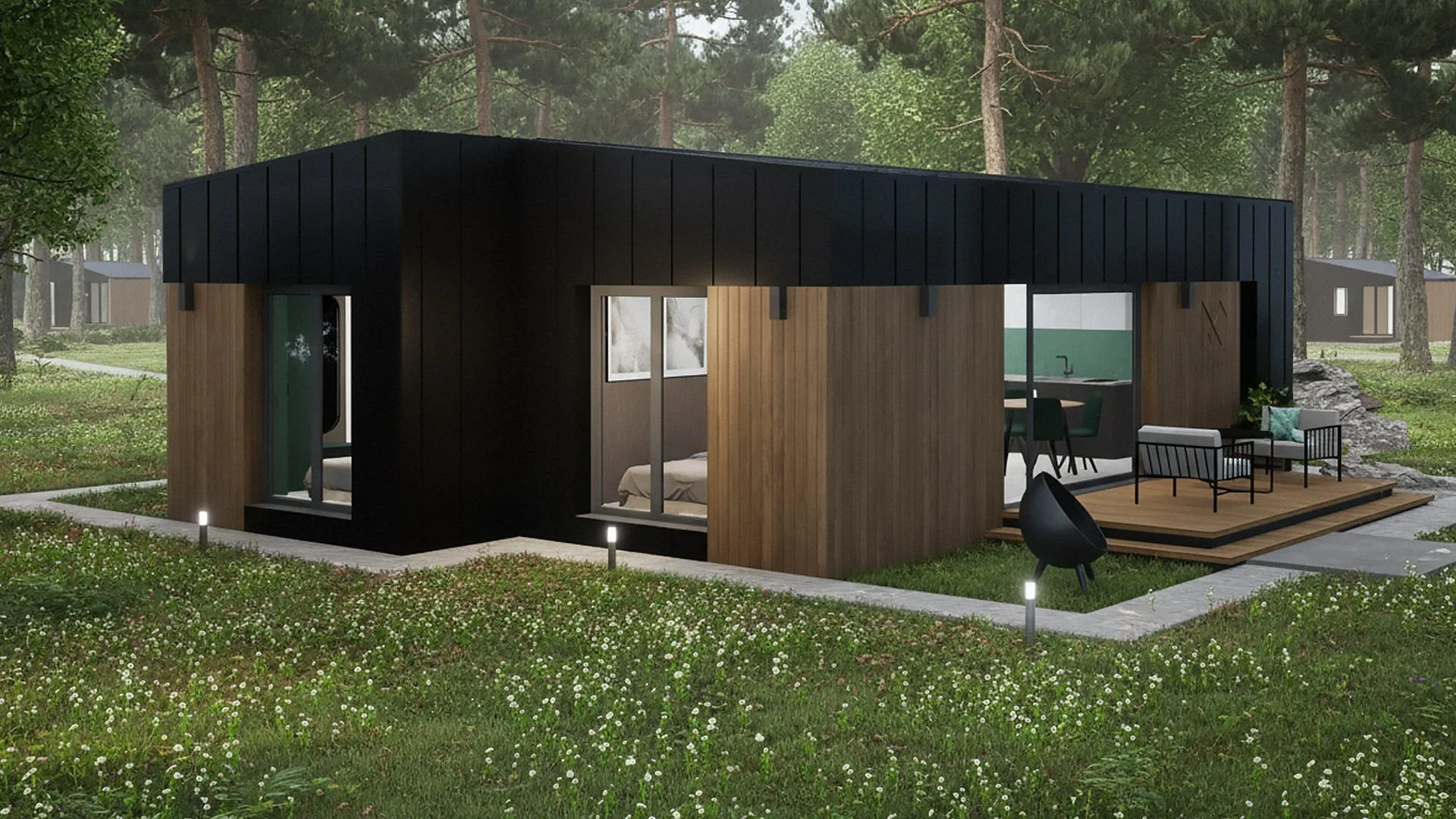
Effective holiday lodge building is not defined solely by upfront cost. It must consider total lifecycle value.
CLT-based modular lodges support cost efficiency through:
Faster installation timelines
Reduced on-site labour
Improved energy efficiency
Lower maintenance requirements
Extended structural lifespan
For developers managing multiple units, these efficiencies compound across the park portfolio. Energy-efficient lodges reduce long-term utility expenses, while durable structural systems minimise repair cycles.
When aligned with BS 3632 compliance and zero-VAT eligibility, the financial case for high-performance CLT lodge construction becomes increasingly compelling.
Planning, Compliance and Legal Framework
In the UK, holiday lodges classified as caravans must meet dimensional and mobility requirements under caravan legislation. Twin-unit lodges assembled on site can qualify if they meet size limits and remain transportable in sections.
Effective CLT modular lodge design considers these regulatory frameworks from the outset. Structural panels are engineered within defined dimensional limits to ensure classification compliance. This protects park operators from planning complications and ensures lawful installation on licensed sites.
Understanding both BS 3632 and caravan classification standards is essential when developing new holiday park accommodation.
Future-Proofing Holiday Parks with CLT
The holiday park market is competitive. Operators must invest in assets that remain relevant over decades, not just seasons.
CLT modular holiday lodges offer a future-focused solution. Their structural strength, thermal efficiency and sustainability credentials align with evolving regulatory standards and guest expectations.
As environmental performance standards tighten and energy costs fluctuate, investing in high-performance lodge construction reduces long-term risk exposure. Effective holiday lodge building today means designing for regulatory resilience and operational efficiency tomorrow.
How Celtio Supports Effective Holiday Lodge Development
Celtio designs and manufactures residential-grade modular holiday lodges using advanced CLT construction and precision off-site manufacturing. Each lodge is engineered to meet BS 3632 standards, ensuring year-round comfort, thermal efficiency and structural durability suited to modern UK holiday parks.
By integrating sustainable timber systems with controlled factory production, Celtio delivers lodges that combine rapid installation with long-term performance. From compact units to expanded multi-bedroom configurations, every model is developed within regulatory frameworks and optimised for energy efficiency, durability and commercial viability.
For park operators seeking high-performance, compliant and future-ready holiday lodge solutions, Celtio provides structured support from specification through to installation, ensuring effective holiday lodge building grounded in engineering integrity and long-term value.
